
While Finland and Estonia rescued Russia’s burning ship, Russia unleashed disinfo
Russia used the incident in the Baltic Sea to again promote its false claims that Baltic airspace is used to attack Russia. It’s an attempt to divide allies, cover up poor air defence, excuse sabotage, and deny Ukrainians are beating them.
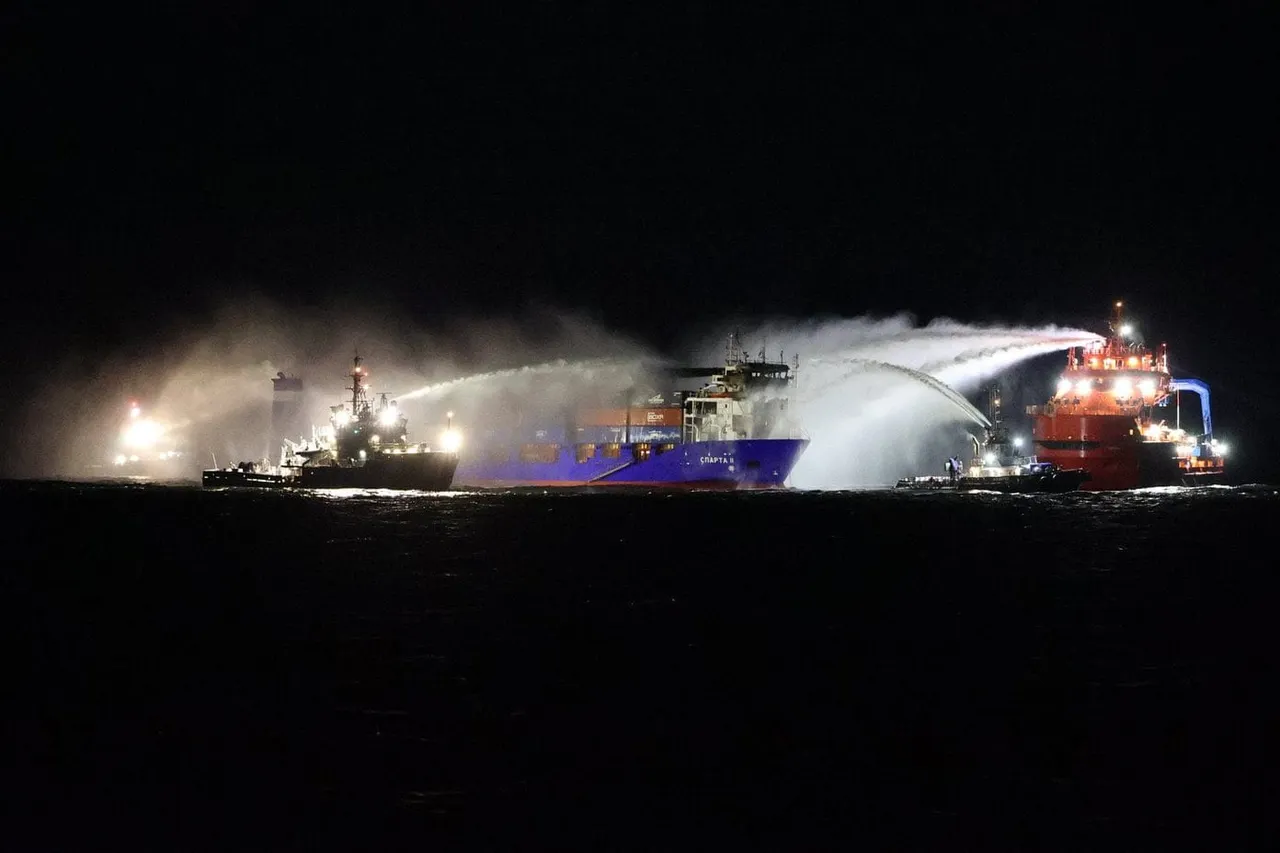
A Russian cargo ship is burning in the Gulf of Finland. This alert was received early Saturday morning by Estonia's Police and Border Guard, which quickly put its maritime rescue units on standby, awaiting a request for help from Russia.
Sparta II had been travelling from St. Petersburg to Kaliningrad when it was seemingly hit by Ukrainian drones in international waters that form part of Estonia’s exclusive economic zone but also Russia’s area of responsibility for maritime rescue.
When the request did eventually come half an hour later, it was in Finnish.
After losing power, the ship drifted into Finnish territorial waters. At that point, the Finnish Rescue Board was able to take charge and immediately call upon both Estonia and Russia for assistance. Estonia sent its naval vessel Kindral Kurvits, seen firefighting from the left of the cover photo, in addition to several tug boats.
This enabled Russia to offload all 16 crew members and tow its ship back the way it came.
It was a bizarre set of events, given the wider context. Russia is waging a war of aggression against Ukraine, while falsely claiming that it is really NATO that is at war with them. The reality is that Russia is being beaten by Ukrainian counterattacks, even thousands of miles from Ukraine, while NATO is still fulfilling international duties, such as on laws of the sea.
When a ship is in distress, all countries have a responsibility under international rules to provide assistance and facilitate the rescue of the crew. Furthermore, the vessel was at risk of sinking and so the Finnish Rescue Board assessed that there was an immediate risk of an environmental disaster. Even if the ship could be brought into port, the unknown cargo on a burning vessel could be a wider safety risk.
Rescuers from all three countries reportedly cooperated well in their professional duties, even though the Russian side seemed to demonstrate little initiative. Russia has a track record for being reluctant to request international assistance, most notably during the Kursk submarine sinking back in 2000, putting a misplaced sense of pride before the lives of its own crews.
This left the Finnish Border Guard to coordinate firefighting and environmental protection, and facilitate the crew rescue, culminating in the least worst outcome, which was getting Russia to remove its ship and people promptly.
It is deeply frustrating to see a sanctioned Russian vessel receive a reprieve. Especially as it has previously transported military equipment and may have been doing so this time again. But there are more effective ways to support Ukraine to victory over its aggressor, while sticking to international rules.
Nevertheless, for Russia, no good deed goes unpunished. A disinformation campaign had already begun.
Russia’s information operation fires up
While the fire was still being put out on Sparta II, false claims immediately began circulating on social media that the Baltics had facilitated the drone attack.
This narrative is not new. Russia has been repeatedly claiming falsely since earlier this year that Ukraine is using Baltic airspace to attack Russia, citing unnamed (non-existent) journalists in the Baltics as the source.
This lie has been extensively debunked as pure Russian disinformation, including by journalists in Latvia and in Estonia. No credible journalist anywhere believes the claim has any substance, and it was even denounced recently at the UN Security Council.
In fact, only one person in the Baltics claiming to be a journalist has been promoting this lie but he did so without any evidence and was made persona non grata last month as a result of his pro-Russia stance and repeated sharing of disinformation.
Meanwhile in Kaliningrad on Saturday night, while fire crews still battled to save the ship in the Baltic Sea, videos spread across social media appearing to depict a drone attack on the Russian exclave for the first time during the war.
The governor of Kaliningrad had posted quite vaguely on Telegram about a supposed object from the direction of Lithuania, but added there was no risk.
Russian media outlets and a small number pro-Russia accounts took the first half of that statement, added misleading videos, and further fuelled disinformation that the Baltics were facilitating Ukrainian attacks.
The ‘attack on Kaliningrad’ was entirely untrue though, as Russian authorities would later clarify, but not before generating a huge quantity of international media coverage and social media discussion in which the dominant response was commentators asking why Ukraine/NATO/the Baltics are provoking Russia and dragging us all into war.
An analysis by Lithuania’s public broadcaster suggests that this was a carefully prepared information operation, designed to merge the rescue into a fabricated wider regional incident.
 L
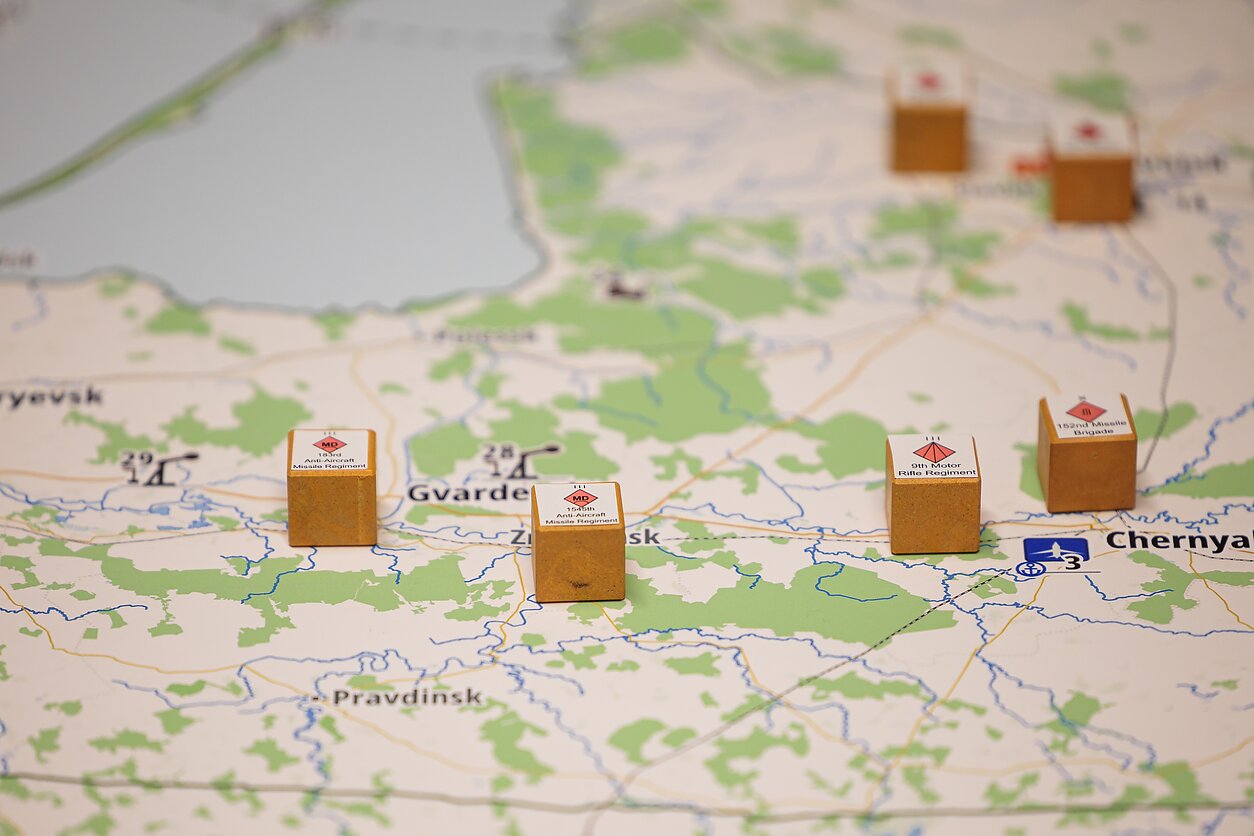
On Monday, Russia then summoned Estonia’s chargé d’affaires in Moscow yesterday to formally read out a list of complaints, which we can assume are the lies that it will seek to amplify over the coming days.
While most are predictable, including “allowing Ukrainian drones to use Estonian airspace to attack Russia”, there was a new one: “attempting to obstruct Russian cargo vessels …aimed at imposing a naval blockade on our country”.
This is also total nonsense. There were two inspections of Russian ships in 2025, one that was sailing without valid registration and briefly detained before being released with a long list of deficiencies to fix, and another that was escorted away immediately. There have been no interactions in 2026, except the rescue.
Reports of the meeting don’t mention if they said thank you.
Estonia just helped rescue your ship on fire in the Gulf of Finland. https://t.co/8x1EgjMdKF
— toomas hendrik ilves (@IlvesToomas) November 23, 2026
With Russia, lies are often confessions. In the past week, Russian forces have conducted multiple attacks on commercial shipping in the Black Sea, just off the coast of NATO members Bulgaria and Romania. It was condemned yesterday at the UN Security Council, along with other atrocious acts by Russia in the past week.
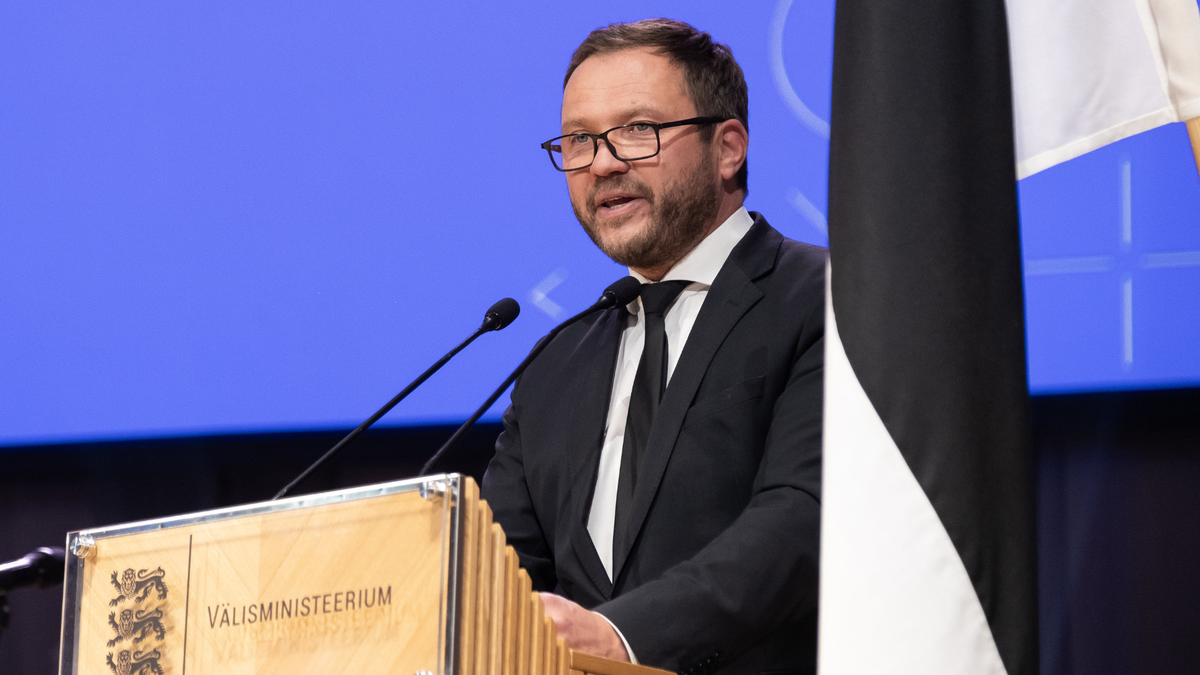
As pointed out by Estonian Foreign Minister Margus Tsahkna, “in recent weeks alone, Russian missiles have struck Polish territory, Danish authorities have uncovered a Russian intelligence plot, commercial shipping has faced threats in the Black Sea, and Estonia has thwarted a GRU-ordered arson attack against a defence industry company.”
Russia is flooding the airwaves with baseless accusations against Estonia to distract from its own actions undermining European security.
— Margus Tsahkna (@Tsahkna) November 23, 2026
In recent weeks alone, Russian missiles have struck Polish territory, Danish authorities have uncovered a Russian intelligence plot,…
Russia’s main complaint relates to Estonia’s decision to close its border with Russia on 1 December. This followed that recent failed sabotage attempt by Russia’s GRU, although that was not the singular reason for the decision. The Estonian government has said it is closing border crossing points with Russia due to a marked increase in Russian-linked attacks on European countries over the past year.
 Baltic Takes Reporter
As explained in this previous article above, Russia highly values maintaining cross-border travel with Estonia and so it was expected that Russia would lobby hard against it, including through information operations.
But, just as Finland and Estonia dutifully complied with international rules to rescue Russia’s ship, Finland and Estonia also have a sovereign right to close their border to an aggressor who violates international rules. Spreading disinformation only reinforces that was the right decision.
The distraction
In the days and weeks ahead, Russia is likely to lean heavily on the lie that Baltic airspace is being used to attack Russia because that lie serves five purposes.
Firstly, it’s an excuse for Russia’s poor defensive capabilities. It doesn’t want to admit that Russian air defence is not capable of preventing drones flying the length of Russia, including to reach the North-West region near the Baltics. This would lead to awkward questions about why so much air defence is concentrated around Putin’s palaces instead of major cities. In reality, Ukraine has been able to strike the far east of Russia, as well as launch maritime drone attacks on Russian forces in the Mediterranean Sea this weekend too, neither of which can be explained by blaming the Baltics.
Secondly, it doesn’t want to admit Russia is getting beaten by Ukrainians, while long depicting them in their propaganda as inferior, lacking agency, and mere proxies of the West. Ukraine’s growing capabilities undermine that. It was meant to be a three day war, after all. So, just as Russia prefers to give the British the credit for striking the Kerch bridge, it wants more NATO responsibility for Ukraine’s successful attacks as an excuse for why its war against Ukrainians isn’t achieving its aims.
Thirdly, it wants to divide allies. One way it thinks it can do that is by portraying the Baltics as reckless members of NATO and the EU. It hopes that can open tensions and discourage people from listening to the Baltics, despite their deep understanding Russian aggression.
Fourthly, it wants to excuse its shadow war against the West as mere retaliation. It hopes that Europeans will respond to acts of sabotage and terrorism against their countries with a shrug of the shoulders and say, “well, we do stuff to them too, don’t we?” With this, it hopes it can make attacks inside the West more acceptable and thereby impose higher costs on the West for supporting Ukraine.
Finally, it hopes to weaken support for Ukraine, as its ultimate goal. This would work directly if publics were convinced that their own country was acting recklessly and that we should no longer get involved in a war that we don’t want to become ours. Fortunately, the populations of all three Baltic countries have proven to be resilient, as the failed GRU attack clearly demonstrated.
All five of these reasons are pure nonsense, but bear them in mind as you hear the claims over the coming days and weeks, especially in the context of closing border crossing points.


