
“Time of empires is over,” says Latvia as it takes the UN Security Council’s helm
Protecting international law and the UN Charter are top of Latvia’s agenda for its Security Council Presidency, including a just and lasting peace for Ukraine.
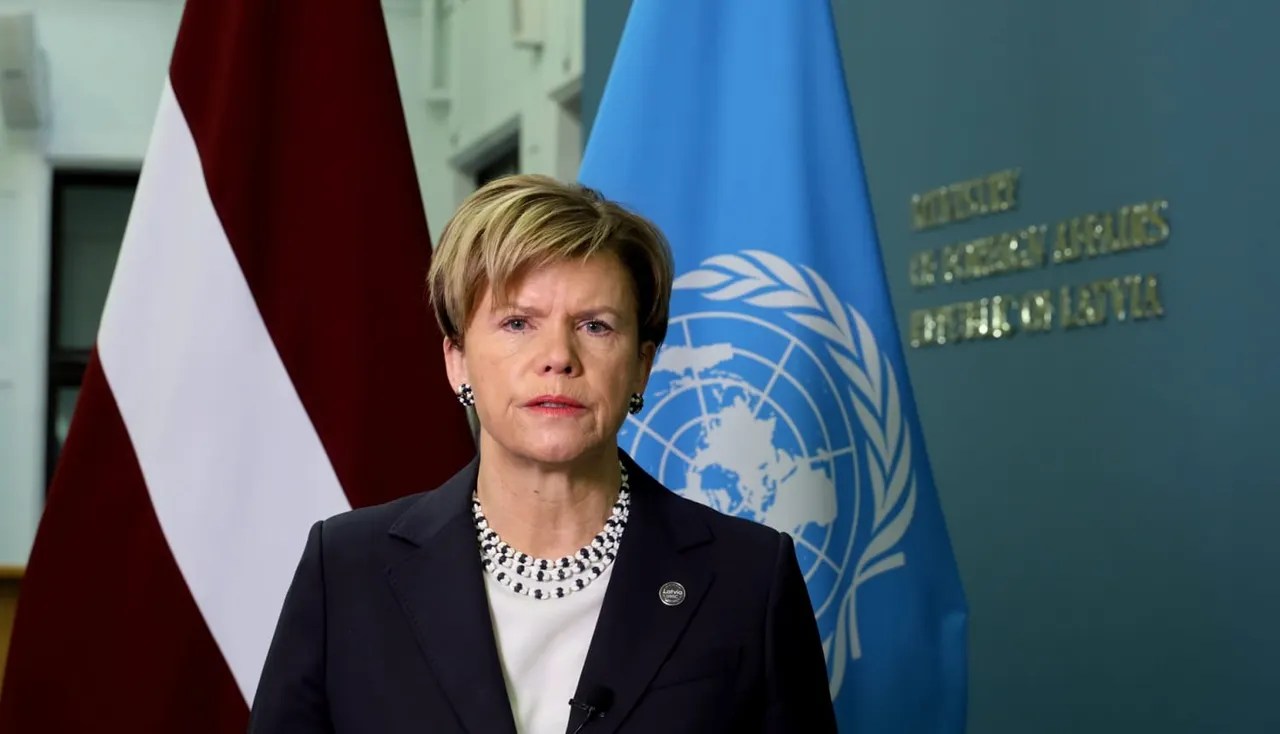
“In a turbulent time, you can count on Latvia to defend international law and the core principles of the United Nations Charter,” said Latvian Foreign Minister Baiba Braže, as her country begins its first ever Presidency of the United Nations Security Council.
“We are ready to take that responsibility,” she said in a post on X. “We have prepared.”
Latvia is David facing the Goliaths of this world. Best of luck! We trust in your leadership! ✊
— Ukrainian Community in Ireland (@UkraineIreland) November 1, 2026
The Foreign Minister outlined Latvia’s three priorities for the UN Security Council, which will also shape its vote for the next UN Secretary General, top of which is defence of international law and the principles of the UN Charter.
“Yes, we know they have been violated and are being violated in a very direct way by an armed aggression, but we know that borders should not be changed by force,” said Braže. “We know that the time of the empires is over, and we also recognise that one country refuses to accept that. We will continue to expose and document Russia’s war crimes in Ukraine, and we will do it also at the Security Council. We will highlight the impact of Russia’s war on global food security, energy, maritime security, and other aspects on the people around the world. Latvia will stand firmly for Ukraine’s sovereignty, independence, and territorial integrity because the outcome of this war will affect the security of the whole continent in Europe, but also it will have an affect on all countries around the world.”
As part of its Presidency, Latvia will preside over the Security Council’s role in the judicial election for the International Court of Justice.
Latvia’s second priority concerns new and emerging technologies, including AI, unmanned systems, and robotics.
“All of these technologies are rapidly changing the security landscape. It has direct effect on the wars. It’s making conflicts increasingly violent. So, in our view, existing international organisations cannot keep up. Rapid modernisation is needed. It has to be considered at the UN Security Council, at the United Nations General Assembly and other forums. It is time to engage with these issues seriously.”
As part of that, Latvia and Greece have already established the Security Council’s new Informal Expert Group on Technology, Peace, and Security with its first meeting scheduled for November.
Latvia’s third priority is the inclusion of women in peace and security.
“Durable peace cannot be achieved if half of society is excluded from all processes leading to the conflict, during, and after-conflict management. So we support women’s participation in peace processes, in conflict prevention, and post-conflict management. We are also committed to protecting women from sexual violence and conflict in Ukraine and around the world.”
In addition, Latvia also advocates for major improvements to how the United Nations functions through reforms of the Security Council and its wider organisations. This includes improving accountability and transparency in decision-making, making veto-wielders explain each of their vetoes to the General Assembly, and isolating the aggressor within international institutions.
Baltic Takes recently published an overview of joint Baltic reform initiatives to help create a better rules-based order:
 Bad Baltic Reporter
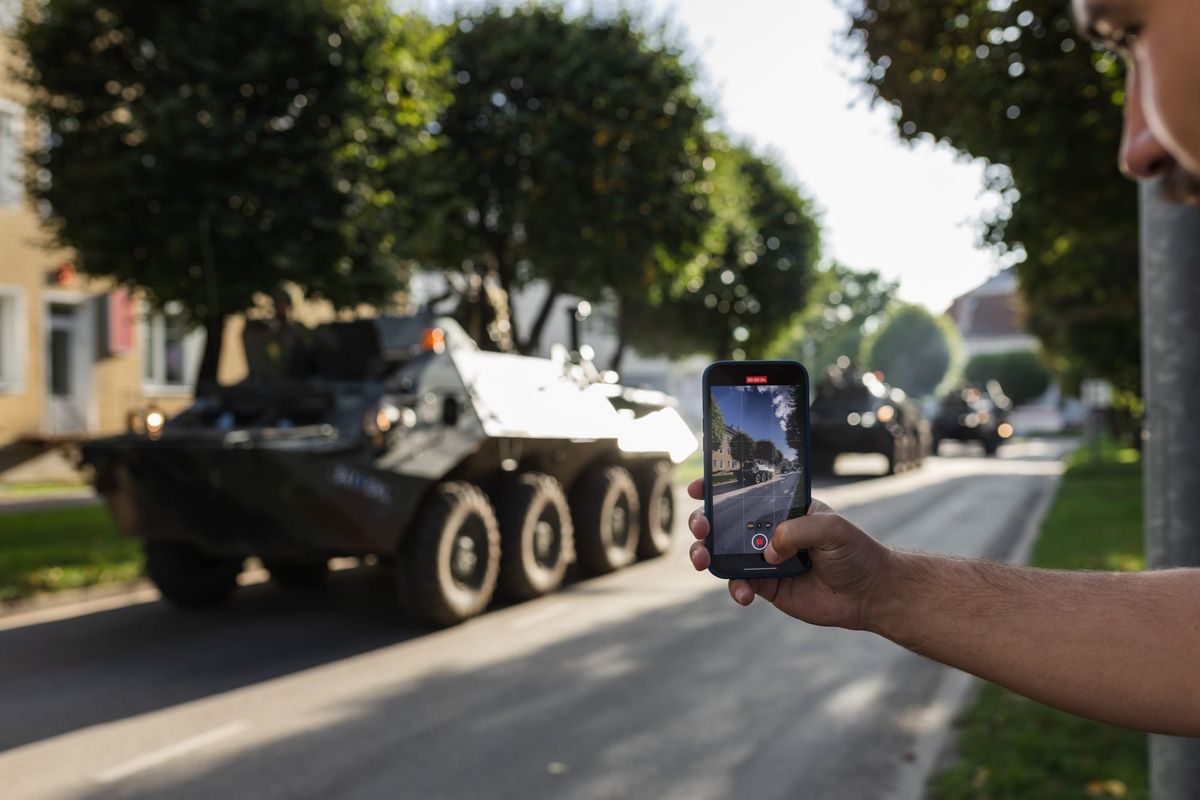
Getting onto the UN Security Council as a non-permanent member has been a long term goal of Latvian foreign policy.
“Latvia’s contribution to the work of the UN Security Council has always been consistent and goal-oriented,” says Sanita Pavļuta-Deslandes, Latvian Ambassador to the UN. “But we will, of course, make the most effective use of the presidency by defending Latvia’s interests and values, promoting the country’s visibility and demonstrating a responsible stance.”
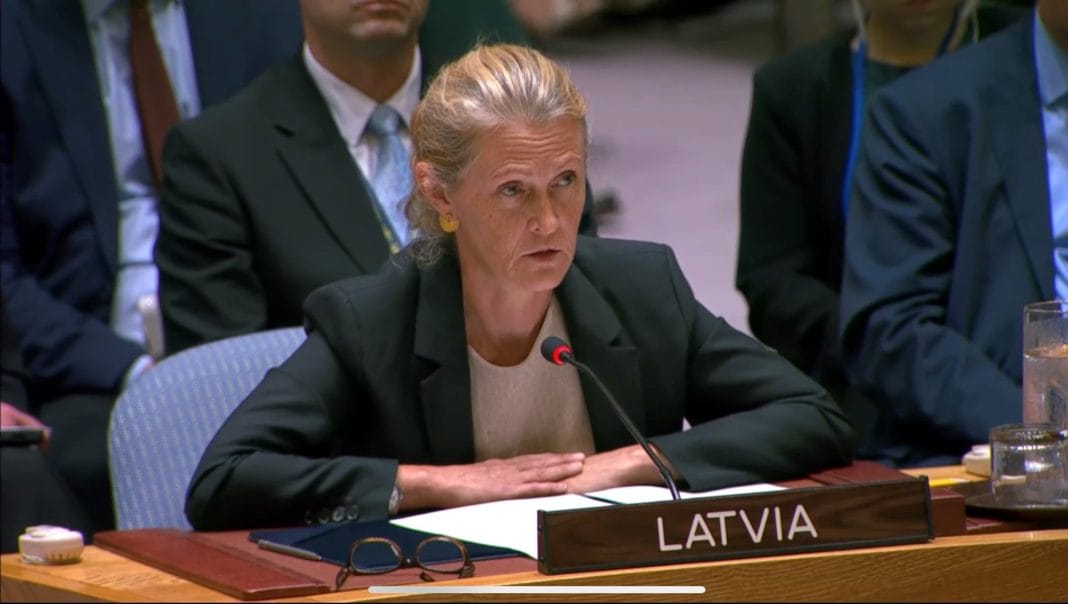
“There have never been as many parallel and interconnected conflicts globally as there are today, and, unfortunately, civilians are the primary victims,” adds Pavļuta-Deslandes. “Through our work at the UN Security Council, we have come to understand and appreciate even more clearly what we have always known – that we must stand guard over our independence and freedom every single day. We are making every effort to ensure that Russia’s war in Ukraine remains high on the UN Security Council’s agenda, to prevent the normalisation of Russia’s aggression against Ukraine, to counter Russia’s propaganda and lies, and to explain Russia’s imperialist aims and their global consequences to the international community.”
After first submitting its candidacy in 2011, it received overwhelming support from UN member states last year. 188 countries participated in the vote and 178 voted in favour of Latvia’s candidacy, easily clearing the two-thirds majority necessary.
I am proud to have been part of the team that got Latvia 🇱🇻 to this day - we were doing groundwork for getting Latvia on the UN 🇺🇳 Security Council for years. Latvia brings attention to Ukraine 🇺🇦 in ways that other members of the Council can’t. This is in 🇱🇻, 🇺🇦 and 🇪🇺 interest. https://t.co/jSWOH3BeOD
— Janis Mazeiks (@JanisMazeiks) November 1, 2026
As a result, Latvia has served on the Security Council throughout 2026 and its Presidency began on Sunday 1 November and will last the whole month.
A bit of historical context
It was exactly 107 years earlier, on 1 November 1919, that Latvian colonel Krišjānis Berķis signed the order to launch an ambitious counteroffensive against German-Russian forces occupying half of Riga.
Against the odds, Latvian forces were successful - not only liberating Riga - but then also freeing the whole of Latvia.
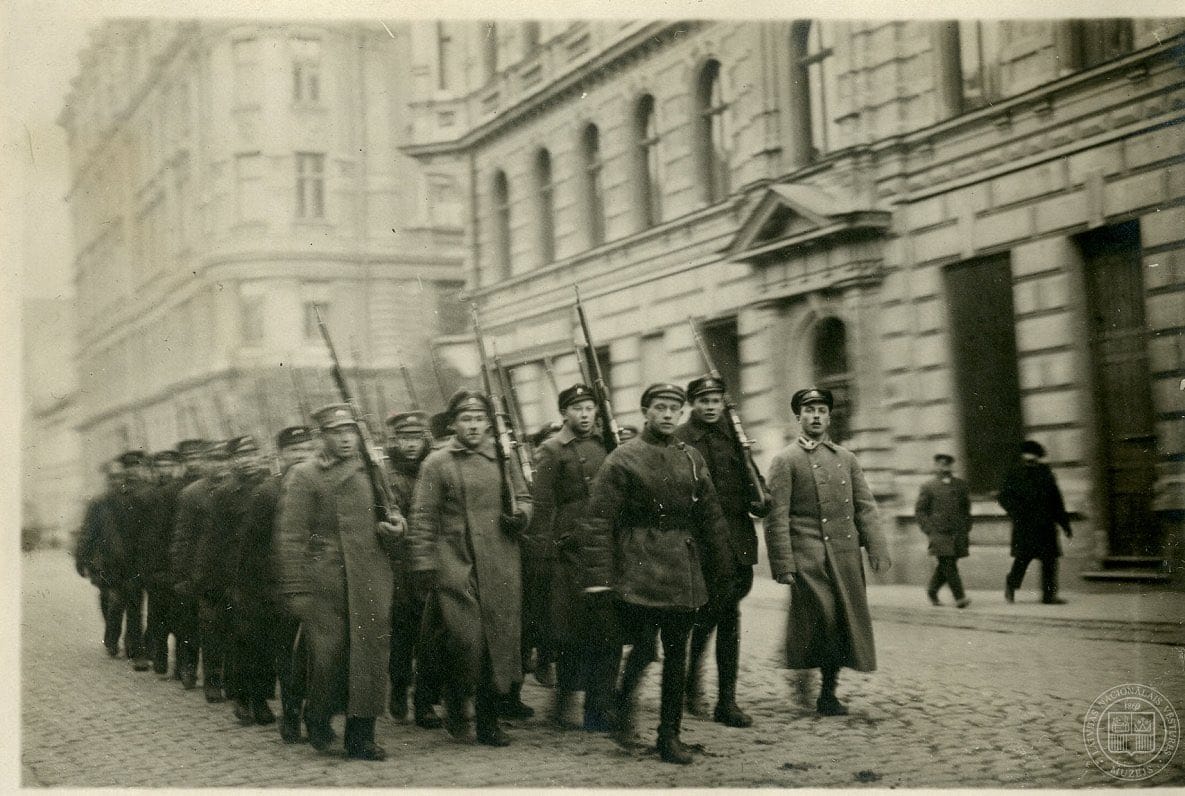
What started as a war of aggression launched by Soviet Russia ended as a Latvian victory in its War of Independence, which cemented the young Republic’s right to exist as a sovereign independent state under international law.
107 years later, these same values shape Latvia’s advocacy for a better rules-based world where sovereignty is respected and aggression doesn’t pay.
It’s worth putting this into more recent historical context too. Within most of our lifetimes, much of the world still considered Latvia’s end of occupation and return as an independent state to be a hopeless dream.
“Only a few radicals are pursuing independence [of the Baltic countries],” dismissively said the then Swedish Foreign Minister Sten Andersson in 1989.
That same year, millions took part in the Baltic Way protest that spurred on the Singing Revolution, leading to the annulment of the Nazi-Soviet Pact and the restoration of the independent state.
POV: You were born to a country wiped from maps, whose freedom was long considered a lost cause by much of the world, and you grow up to see your country assume the Presidency of the United Nations Security Council (starting midnight tonight).
— Baltic Takes (@Baltic_Takes) October 31, 2026
Congratulations all Latvians for… pic.twitter.com/oGUMgOq1vd
It’s remarkable to think that the children involved in the Baltic Way are now adults not only in a free Latvia, but one with world leading responsibilities to uphold those same values they stood for. The world needs them more than ever.


